Civil Rights Law
Miami Civil Rights Law Firms for Housing and Free Speech Cases
Miami civil rights lawyers often handle housing, disability, and free-speech disputes. Here’s how to compare firms and where local protections come from.
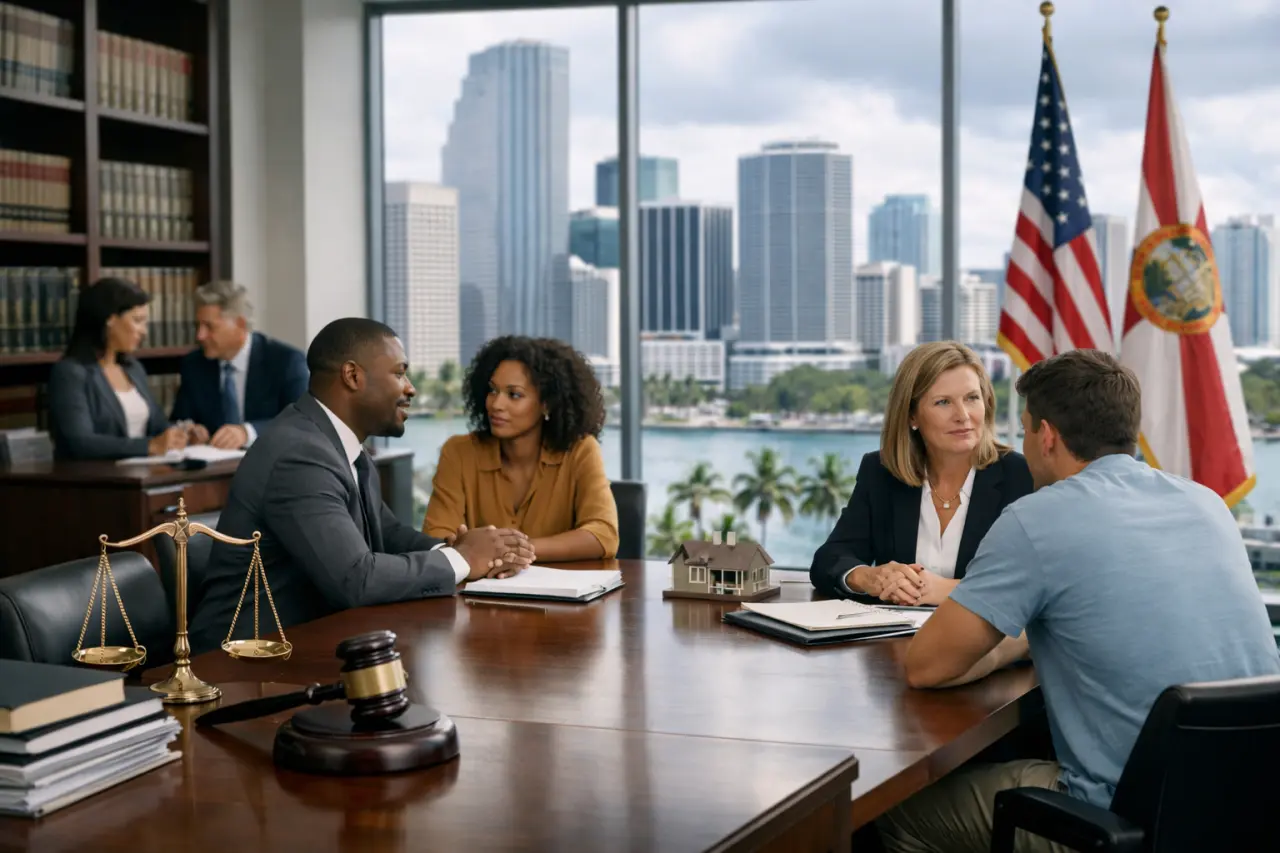
Civil rights issues Miami residents bring to lawyers
In Miami, civil rights problems often start with housing, accessibility, or a dispute with a government agency, then grow into something that needs a lawyer who understands both local rules and federal protections. The City of Miami says its fair housing program is meant to support equal housing opportunity and investigates fair housing complaints, while Miami-Dade County’s Human Rights Ordinance covers employment, housing, public accommodations, and credit and financing practices. (miami.gov)
That matters because the right lawyer is not always the one who only talks about “discrimination.” In Miami, some cases are about disability access in a city program, some are about housing source-of-income issues, and some are about speech rights or protest restrictions. The best fit depends on the facts, the forum, and whether the claim belongs in a local complaint process, a state or federal agency, or court. (justice.gov)
Firms and organizations Miami residents actually encounter
Florida Justice Institute
The Florida Justice Institute is a Miami-based nonprofit public interest law firm, and it has recently been involved in litigation challenging a City of Miami ordinance on panhandling and free speech grounds. That makes it a useful name to know if your civil rights issue involves speech, public space, or other constitutional claims rather than a routine employment matter. (fji.law)
Farohideh Law
Farohideh Law says its Miami-based lawyers handle civil rights and constitutional litigation, including employment discrimination and First, Fourth, Eighth, and Fourteenth Amendment claims. For someone whose problem reaches beyond a one-off workplace complaint and into broader rights violations, that scope can matter. (farohidehlaw.com)
Kuehne Davis Law
Kuehne Davis Law’s civil rights practice page says clients can contact its Miami civil rights attorney about unlawful discrimination based on race, sex, age, or disability. That kind of practice description suggests a fit for people whose cases involve both discrimination and the legal process needed to prove it. (kuehnedavislaw.com)
FairLaw Firm
FairLaw Firm describes itself as a Miami labor and employment law firm that represents workers in discrimination, retaliation, unpaid wages, overtime, and wrongful termination matters. If your civil rights problem began at work, especially where retaliation followed a complaint, a firm with an employment focus can be a practical place to start. (fairlawattorney.com)
A Miami-focused question: is this a private case or a rights complaint?
One of the first decisions is whether to pursue a lawyer, a government complaint, or both. Miami-Dade County’s Commission on Human Rights says it enforces local anti-discrimination laws in employment, housing, public accommodations, and credit and financing practices. The City of Miami also offers ADA and fair housing complaint pathways. (miamidade.gov)
That means a Miami resident dealing with discrimination should ask:
- Is the issue tied to housing, work, disability access, or public accommodations? (miami.gov)
- Did the conduct happen in a city or county program, a private business, or a public employer? (miami.gov)
- Is there a deadline running under local, state, or federal law? The county and federal offices both point residents to formal complaint channels. (justice.gov)
A lawyer who regularly handles civil rights matters in Miami should be able to explain that route clearly, not just promise to “fight” the case.
What to look for in a Miami civil rights lawyer
Civil rights practices are not all the same. Some firms lean toward housing discrimination, some toward employment disputes, and some toward constitutional litigation. When you call a Miami firm, ask what kinds of cases they actually handle.
A useful shortlist:
- Housing discrimination: look for experience with fair housing issues, disability accommodation, source-of-income disputes, and local complaint processes. The City of Miami and Miami-Dade County both identify housing discrimination as a major enforcement area. (miami.gov)
- Disability access: ask whether the firm handles ADA grievances and public-access claims. The City of Miami has a separate ADA grievance path and says it will not discriminate against qualified individuals with disabilities in city services, programs, or activities. (miami.gov)
- Speech and protest rights: if the case involves public expression, a firm like Florida Justice Institute may be better aligned than a general employment shop. (fji.law)
- Employment discrimination and retaliation: if the issue started at work, a firm such as FairLaw Firm that specifically mentions discrimination and retaliation may be the more direct match. (fairlawattorney.com)
Why Miami residents should care about local enforcement
Miami’s civil rights landscape is shaped by overlapping city, county, state, and federal rules. The city’s fair housing page points to federal fair housing law and Miami-Dade’s civil and human rights ordinance; the county’s commission says it combats discrimination in housing, employment, public accommodations, and finance; and the U.S. Attorney’s Office in the Southern District of Florida maintains a civil rights function in Miami. (miami.gov)
For consumers, the takeaway is simple: the strongest Miami civil rights case usually starts with the right forum and the right lawyer. If your matter involves housing, accessibility, or speech, ask the firm how it handles those specific issues before you sign anything. If it involves a government agency or local ordinance, make sure the lawyer understands the city and county complaint process as well as courtroom litigation. (miami.gov)
A practical way to compare firms
If you are narrowing the field in Miami, compare firms on three things:
- Subject-matter focus — housing, employment, disability, or constitutional rights. (fji.law)
- Local familiarity — whether they understand Miami-Dade and City of Miami complaint systems. (miami.gov)
- Case fit — whether they describe the exact kind of harm you experienced, not just civil rights in general. (fairlawattorney.com)
Miami residents do not need a generic answer when a rights problem appears. They need a lawyer who can tell the difference between a complaint, a lawsuit, and a constitutional challenge—and who knows how those choices play out here. (justice.gov)
Related articles

Miami Civil Rights Law Firms for Workplace and Police Claims
From workplace bias to police misconduct, Miami civil rights firms handle claims that turn on deadlines, documentation, and the right forum.
Editorial Team
Miami Civil Rights Law Firms That Handle Discrimination Claims
Looking for civil rights help in Miami? Here’s how local firms and legal aid organizations handle discrimination, police misconduct, and constitutional claims.
Editorial Team
Miami Civil Rights Law Firms Focused on Rights, Access, and Justice
Looking for civil rights help in Miami? Here’s how local firms handle discrimination, police misconduct, access issues, and constitutional claims.
Editorial Team